Articles & Guides
Grammar breakdowns, vocabulary guides, and cultural insights to accelerate your German.
No articles found.
No articles in this category yet.
Check back soon — new content is on the way.
Grammar
Understand the mechanics of German — verb focus, sentence structure, affixes, and more.

Der, Die, Das: Rules to Guess German Gender
German noun gender rules made simple: check the suffix first, then meaning. Endings like -ung, -chen, and -ling predict der, die, or das with ~90% accuracy.

German Adjective Endings Made Simple
German adjective endings come down to one question, not three tables: does the article already show gender and case? If yes, the adjective stays lazy.

German Cases Explained Simply (4 Cases)
German has four cases, and each answers one question: wer, wen, wem, wessen. Learn nominative, accusative, dative, and genitive without drowning in charts.

German Modal Particles: doch, mal, ja, eben
German modal particles doch, mal, ja, and eben add attitude, not meaning. Before/after examples show how to use each one so your German stops sounding stiff.

German Modal Verbs: Können, Müssen, Wollen and More
German modal verbs put the modal in position 2 and the real verb at the end. Master können, müssen, wollen and the rest with charts and clear examples.

German Separable Verbs: When the Prefix Splits
German separable verbs split in two: the verb stays near the front and the prefix flies to the end. Learn the stress test and where every piece goes.

German Two-Way Prepositions: Accusative or Dative?
Use accusative for movement into a place (wohin?) and dative for a fixed location (wo?). Master all nine German two-way prepositions with one simple test.

German Word Order: The Verb Rules That Trip You Up
German word order comes down to three verb-position rules: the verb is second in main clauses, last after weil and dass, and time comes before place.

Weil vs Denn vs Da: "Because" in German
Weil and da send the verb to the end; denn keeps it in second position. Here's how to pick the right German "because" and place the verb correctly.

Wo, Wohin, Woher: Three Ways to Say Where
German splits where into three: wo (location), wohin (destination), and woher (origin). Learn the wo vs wohin rule, the hin/her logic, and common mistakes.
Vocabulary
Build your word bank with numbers, greetings, time expressions, and everyday phrases.

Bitte in German: Please, You're Welcome, and More
Bitte means please, you're welcome, here you go, and pardon in German. Learn all the meanings, bitte schön vs bitte sehr, and the danke-bitte rule.

German Body Parts: Vocabulary + How to Say It Hurts
Learn German body parts with der/die/das and plurals, plus the two ways to say something hurts: Mir tut der Kopf weh and Ich habe Kopfschmerzen.
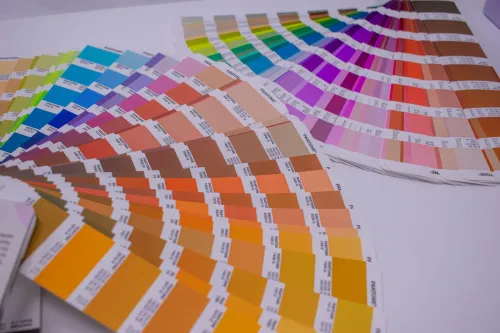
German Colors: Names, Shades, and Idioms
German colors are adjectives that take endings — say das rote Auto, not das rot Auto. Get the names, shades, the das-Rot rule, and 14 color idioms.

German Compound Words: How to Read Any Long Word
Read any long German word by working right-to-left: the last noun sets the meaning and gender, and the small linking letters are just glue. Here's the drill.

German Days, Months & Seasons (am, im & -tag)
Days of the week in German use am, months and seasons use im — plus the -tag pattern, capitalized nouns, and how to build a real sentence with a day.

German False Friends: 25 Words That Trick You
German false friends like Gift (poison) and bekommen (to receive) trick English speakers daily. Here are 25 words that mean the opposite of what you'd guess.
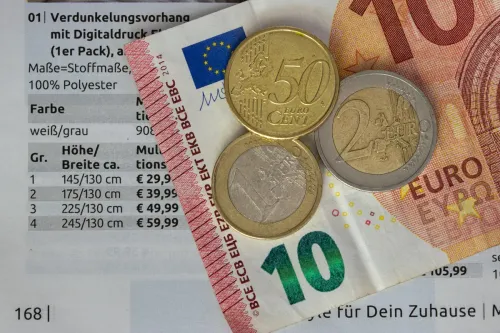
German Numbers 1–100: Why 21 Is Said Backwards
German numbers 1 to 100 reverse the digits: 21 is einundzwanzig (one-and-twenty). Learn the und rule, the irregulars, and how to hear prices fast.
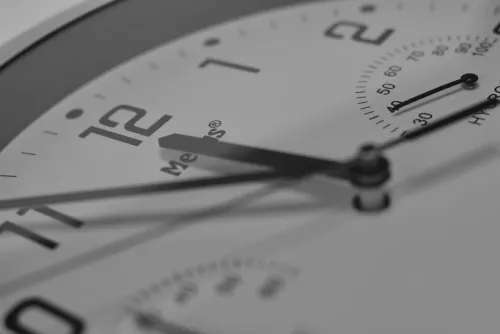
How to Tell Time in German Without Mistakes
Halb sieben means 6:30, not 7:30. Master telling time in German — Viertel nach, halb, vor, the 24-hour clock, and the prepositions that trip up beginners.

Order Food in German: Restaurant Phrases
Order food in German with confidence: use ich hätte gern, read the Speisekarte, ask die Rechnung bitte, and handle zusammen oder getrennt like a local.
Culture
Context that textbooks skip — the history, traditions, and nuances behind the language.

Du vs. Sie: When to Use Each in German
Use Sie with strangers, elders, and at work; use du with friends, family, kids, and peers. Here's how to pick the right German you every time.

German Greetings by Region: Grüß Gott to Grüezi
German greetings change by region: say Moin in Hamburg, Grüß Gott in Bavaria, Grüezi in Switzerland. A map of every hello and goodbye, plus du vs. Sie.

Tipping in Germany: A Visitor's Etiquette Guide
Tipping in Germany means saying your total out loud, not leaving coins. Learn the exact phrases, how much to tip, and the Sie-vs-du etiquette travelers need.
Learning Tips
Strategies and techniques to learn German faster and retain more.
German Umlauts & ß: Sounds and Typing
Pronounce ä, ö, ü with the front-tongue, rounded-lips rule, master the ß vs ss spelling, and type every German umlaut on Mac, Windows, and phone.

How Long Does It Take to Learn German? Real Timeline
How long to learn German? Conversational B1 takes ~6–12 months, fluent B2 about 1.5–2.5 years part-time. Here's an honest, hours-based timeline by CEFR level.

How to Memorize German Vocabulary Fast
Memorize German vocabulary fast with a five-step workflow: drill the top 100 words, learn nouns with their article, color-code gender, and use spaced repetition